The Best Places to Surf for Beginners in 2027
Where to learn to surf, ranked by wave quality, water temperature, safety and value — the Ocean Fever beginner-friendly guide.
Learning to surf is one of the most rewarding things you'll ever do — and where you choose to do it matters more than almost any other decision on the journey. The best places to surf as a beginner share the same four ingredients: warm, safe water; small, forgiving waves that break over sand rather than reef; a strong local surf-school culture; and enough consistency that you actually get in the water every day of your trip. This is our shortlist for 2027.
1. Fuerteventura, Canary Islands — Our top pick for European beginners. Long sandy beaches like Corralejo, El Cotillo and Playa del Castillo serve up knee-to-waist-high rollers most of the year, water sits between 18°C and 23°C, and there are more accredited surf schools than almost anywhere in Europe. Add 300 days of sun and a four-hour flight from the UK and it's hard to argue with.
2. Weligama, Sri Lanka — Widely considered the friendliest beginner setup in Asia. A wide, sandy-bottomed bay with multiple peaks spread across a kilometre of beach, water at 28°C year-round, and a season that runs November through April. Add south-coast food, safari day-trips and rock-bottom prices and you get one of the highest-value learn-to-surf destinations in the world.
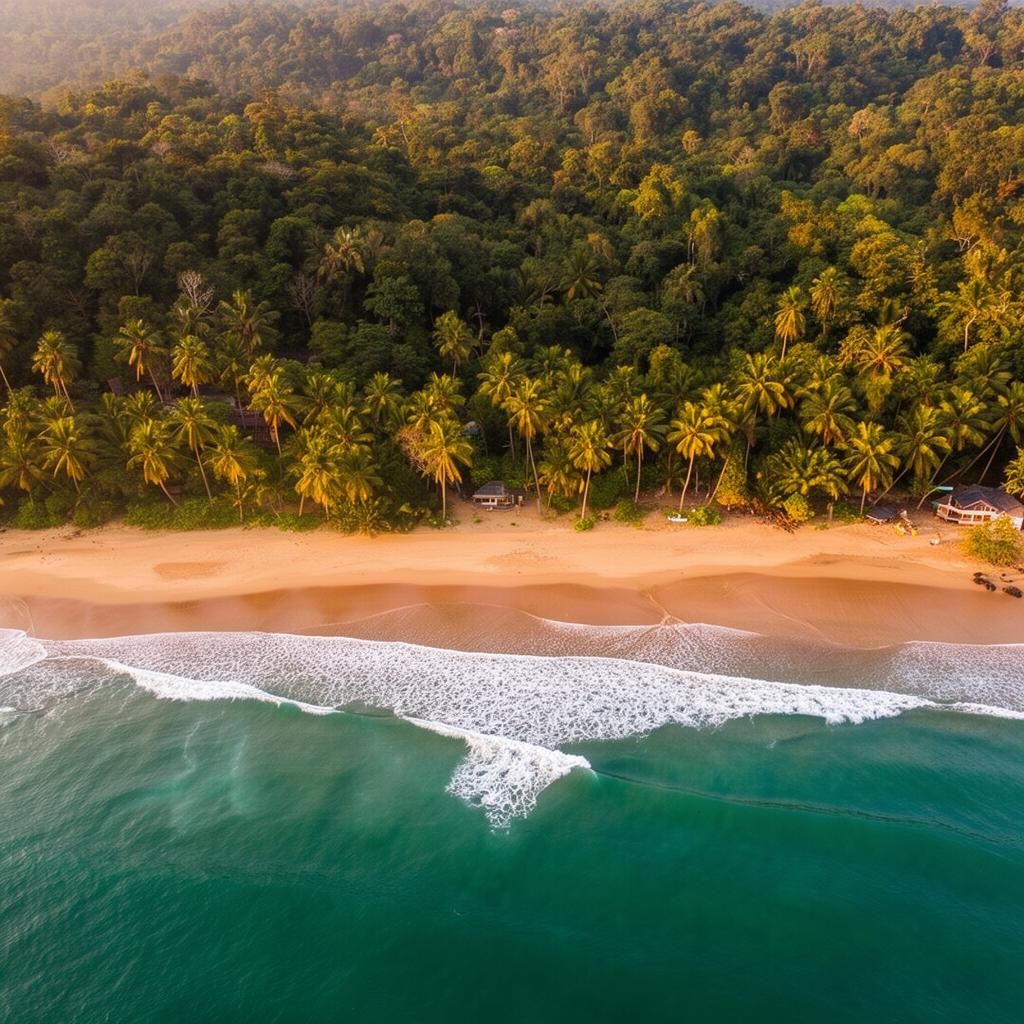
3. Playa Guiones, Nosara, Costa Rica — The Pura Vida capital of the Pacific coast, and the reason Costa Rica appears in every 'learn to surf' shortlist ever written. A gentle, sand-bottomed beach break that runs almost every day of the year, wrapped in yoga studios, farm-to-table cafés and a low-key Central American village that turns week-long trips into month-long ones.
4. Taghazout Bay, Morocco — Not to be confused with the intermediate reef points nearby, the crescent-shaped Taghazout Bay itself, plus the beach at Tamraght and the long right at Imsouane, offer some of the most patient beginner waves anywhere on the Atlantic. The season runs October to April, water is a wetsuit-friendly 18–20°C, and lessons are excellent value.
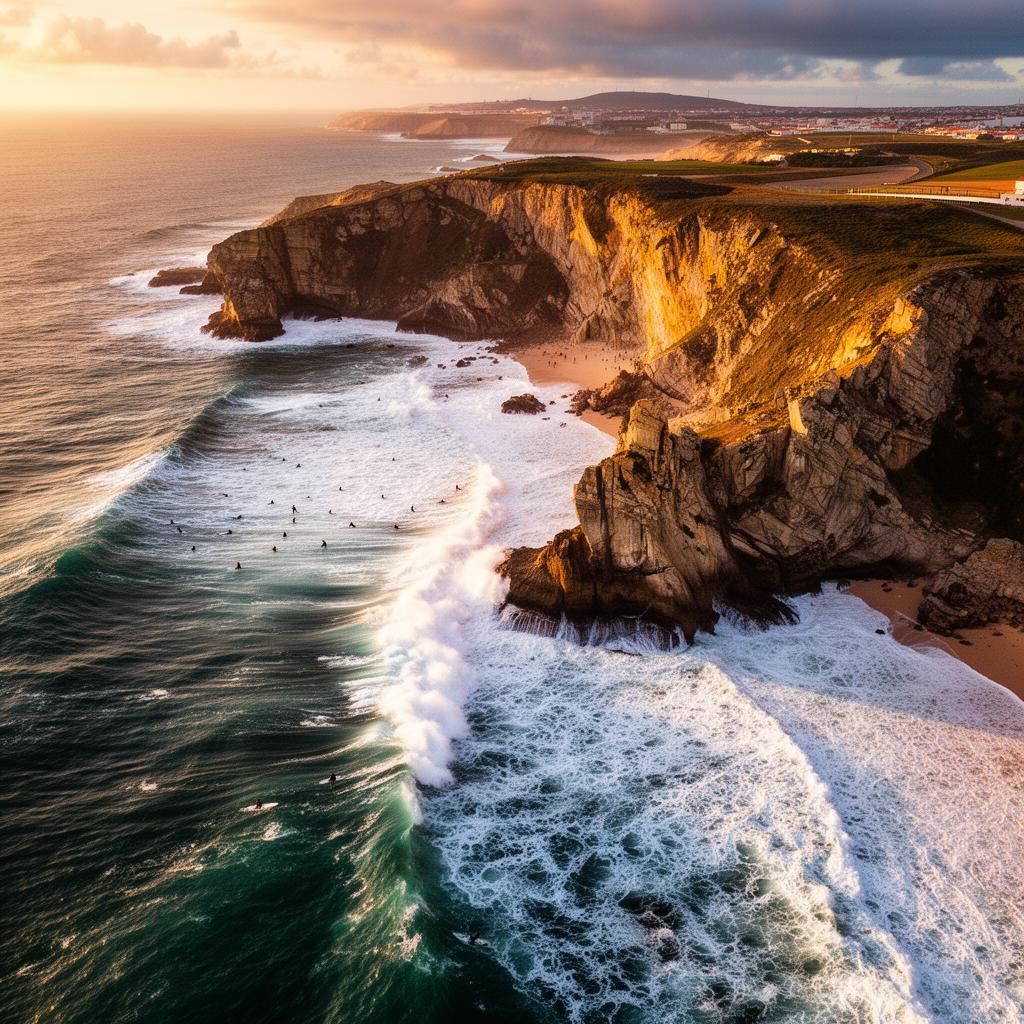
5. Ericeira, Portugal — The southern beaches around Foz do Lizandro and Praia do Sul are ideal for taking a first lesson, with the added bonus that you're staying in Europe's only World Surfing Reserve. When you progress, world-class waves are within walking distance. Best learned in late spring or early autumn.
6. Byron Bay, Australia — The Pass and the beach breaks around Belongil are among the most beginner-friendly setups in Australia, in warm water, with plenty of schools and boards for hire. A great option if you're combining a surf trip with a wider Australia itinerary.
7. San Diego, USA — For North American surfers, San Diego's mellow beach breaks — Tourmaline, La Jolla Shores, Mission Beach — combined with a huge lesson infrastructure make it one of the most accessible learn-to-surf destinations in the world. Wetsuits required.
8. Bali (Kuta / Legian / Seminyak), Indonesia — The beach-break stretch north of the airport is where hundreds of thousands of travellers have caught their first waves. Warm water, sand bottom, and lessons at a fraction of European prices. When you're ready, the world-class reefs of the Bukit are a 30-minute drive.
9. Biarritz, France — The birthplace of European surfing. Grande Plage and the Côte des Basques offer gentle beach and point-break rollers for beginners in summer, plus the kind of French seaside town — old carousel, art deco casino, oyster bars — that makes non-surfing partners fall in love with the trip too.
10. Devon and Cornwall, UK — Don't overlook home. Croyde, Woolacombe, Polzeath and Fistral all have thriving surf-school cultures, reliable summer waves, and everything you need to start surfing without an international flight. A great low-cost first step before booking a bigger trip.
What to look for in a beginner surf destination — the technical checklist we use when we're building an Ocean Fever learn-to-surf itinerary is simple. Sand bottom rather than reef, so wipeouts are cushioned. Waves under head-height with a mellow shoulder. Water temperature you can spend two hours in without shivering — that means 18°C+ with a spring suit, or 24°C+ in board shorts. And a proper surf school with insured instructors, ISA or equivalent qualifications, and a maximum ratio of six students to one instructor.
Common beginner mistakes — booking too remote a destination for a first trip is the biggest one. You want infrastructure: rental boards, lessons, physios, coffee. The second is going in peak swell season 'to see the big waves' — if it's big, you won't be surfing it. Aim for the shoulders of the season instead. And the third is thinking you'll teach yourself. You'll save weeks of progression by taking three or four lessons in your first week from someone who can actually see what you're doing wrong.
Ocean Fever runs beginner-friendly surf holidays to most of the destinations on this list, with vetted local schools, boards included, and small group sizes. If you're not sure where to start, get in touch — we'll match the destination to your ability, your budget and the time of year you can travel.