Why Portugal Remains Europe's Surf Capital
Tracing the history and raw power of the Atlantic coastline from Nazaré to the Algarve.
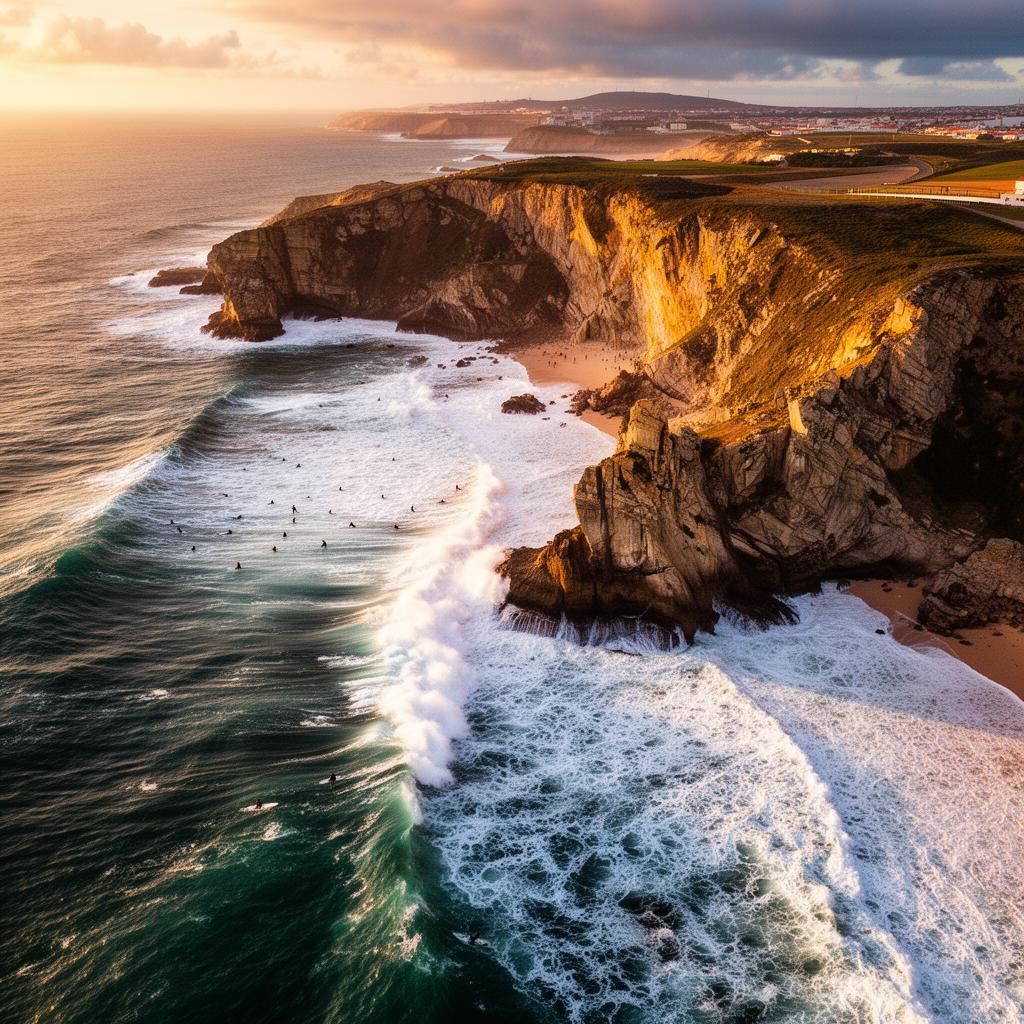
Portugal's 800-kilometre Atlantic coastline is, by almost any measure, the most varied stretch of surfable shoreline in Europe. From the world-record waves of Nazaré to the mellow points of the Algarve, you can chase a different style of wave every day of the week without ever leaving the country.
It wasn't always this way. Thirty years ago, Ericeira was a sleepy fishing village. Today it's Europe's only World Surfing Reserve, with seven world-class breaks within a 4km radius — Coxos, Ribeira d'Ilhas, Pedra Branca, and others that draw professionals from every continent.
Further north, Peniche's Supertubos delivers some of the heaviest beach-break barrels on the planet, which is why the WSL Championship Tour returns there every October. And then there's Nazaré: the canyon-fed monster that put Portuguese big-wave surfing on the global map when Garrett McNamara towed into a 78-foot face in 2011.
But Portugal's appeal isn't just about size. The Algarve's south coast offers reliable, gentler waves throughout summer when the west coast goes flat. The food is exceptional, the people are warm, and the surf culture remains rooted in respect rather than ego.
For travelling surfers, Portugal hits the sweet spot: consistent swell, dependable infrastructure, and the kind of variety that means you'll never run out of new lineups to explore.